Oldtown Signer: A Retro Script Font That Builds Brand Trust
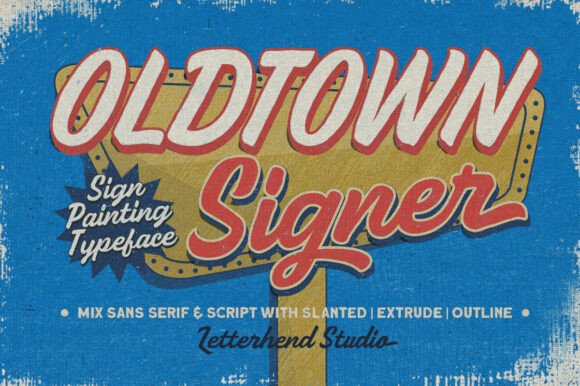
As a small business owner who’s designed everything from coffee bag labels to Instagram story templates, I know how much a single font can shape how customers see your brand—not just in style, but in credibility. Oldtown Signer is one of those rare script fonts that feels both nostalgic and intentional. Handcrafted with care, it channels the warmth and authenticity of 60s sign painting: relaxed curves, expressive swashes, and subtle imperfections that make it feel human—not algorithmic.
This isn’t a flashy decorative font you’ll tire of after two projects. Oldtown Signer lives comfortably in the Script Amp category, meaning it’s built for impact without sacrificing legibility. It’s not meant for body text or fine print—but it shines where first impressions matter most: logos, packaging headers, menu titles, product labels, and social media banners.
I’ve used Oldtown Signer for a local candle studio’s jar labels—and instantly noticed how it elevated their handmade aesthetic. The swashes add movement without clutter; the rhythm feels organic, like something painted by hand on a chalkboard or stamped onto kraft paper. Customers didn’t just notice the design—they commented on how “thoughtful” and “real” the branding felt. That’s the quiet power of a well-chosen display font.
For café owners, boutique founders, or skincare makers, consistency starts with type. When your logo, website banner, and thank-you card all use Oldtown Signer as the headline or accent font, customers begin to recognize your voice before they even read the words. That recognition builds trust—especially when paired with a clean, highly readable sans serif (like Montserrat or Inter) for supporting text. This pairing works because Oldtown Signer brings personality; the sans serif brings clarity.
Think about where your customers interact with your brand: a tiny sticker on a product box, a mobile-optimized Instagram post, a printed flyer at a farmers’ market. Oldtown Signer holds up surprisingly well across these contexts—as long as you use it intentionally. On small labels? Stick to short names or initials—“Hazel & Co.” or “Rye Bakery”—in bold weight and generous spacing. On digital ads? Use it at larger sizes with high contrast against simple backgrounds. Avoid cramming too many swashes into tight spaces—it’s designed to breathe.
It’s also versatile enough to support different brand personalities. A wellness coach might use Oldtown Signer for workshop titles and quote graphics—softening its retro edge with muted tones and ample white space. A vintage-inspired clothing line could pair it with a crisp serif (like Playfair Display) for product descriptions, letting Oldtown Signer anchor headlines with charm and confidence. Even service-based businesses—like bookkeeping or life coaching—can use it tastefully for welcome emails or branded PDF guides, adding warmth to otherwise functional content.
Before committing to Oldtown Signer across your entire brand system, test it in real scenarios. Type out your business name in all caps and lowercase. Try it on mockups of your most common materials: a product label, a business card, and a mobile-friendly Instagram story. Does it remain legible at 24px on screen? Does it look balanced next to your current color palette? Does it reflect the feeling you want customers to associate with your work—not just “vintage,” but “trusted,” “craft-focused,” or “approachable”?
Font pairing matters just as much as selection. Oldtown Signer pairs best with typefaces that don’t compete for attention. A neutral sans serif gives structure; a gentle serif adds sophistication. Avoid other script fonts unless they’re dramatically simpler (e.g., a thin, no-swash monoline script for subheadings). And never pair it with overly geometric or tech-forward fonts—that contrast usually feels jarring, not clever.
Licensing is practical, not bureaucratic. Oldtown Signer is a commercial font, so double-check its license before using it on physical products (like mugs or tote bags), digital templates you sell, or client-branded assets. Most reputable Fonts vendors offer clear commercial licenses—including extended options if you plan to use the typeface in merchandise or SaaS platforms. When in doubt, read the license terms before downloading. It saves time, money, and awkward conversations later.
Real-world consistency doesn’t come from using ten fonts across ten touchpoints—it comes from choosing one strong, expressive typeface like Oldtown Signer and applying it thoughtfully. It’s the difference between looking like you threw together a Canva template and looking like you invested in a brand identity that grows with your business. Whether you're launching your first Etsy shop or rebranding a neighborhood café, this script font helps you say more with less—without sounding generic or overdesigned.
And here’s what surprised me most: customers remember how your brand *feels* before they remember what it sells. Oldtown Signer doesn’t shout. It invites. It nods to craft traditions while staying firmly useful today. That balance—between personality and professionalism—is why it’s become my go-to for any project where authenticity matters more than trendiness.